
PGT-A: Is It Right for You?
PGT-A: Is It Right for You?
In clinic, I am finding that more and more of my clients are being offered PGT-A testing of their embryos before transfer. With frozen embryo transfer becoming as successful—if not more successful—than fresh transfer, and as cryopreservation techniques improve, PGT-A has grown increasingly popular.
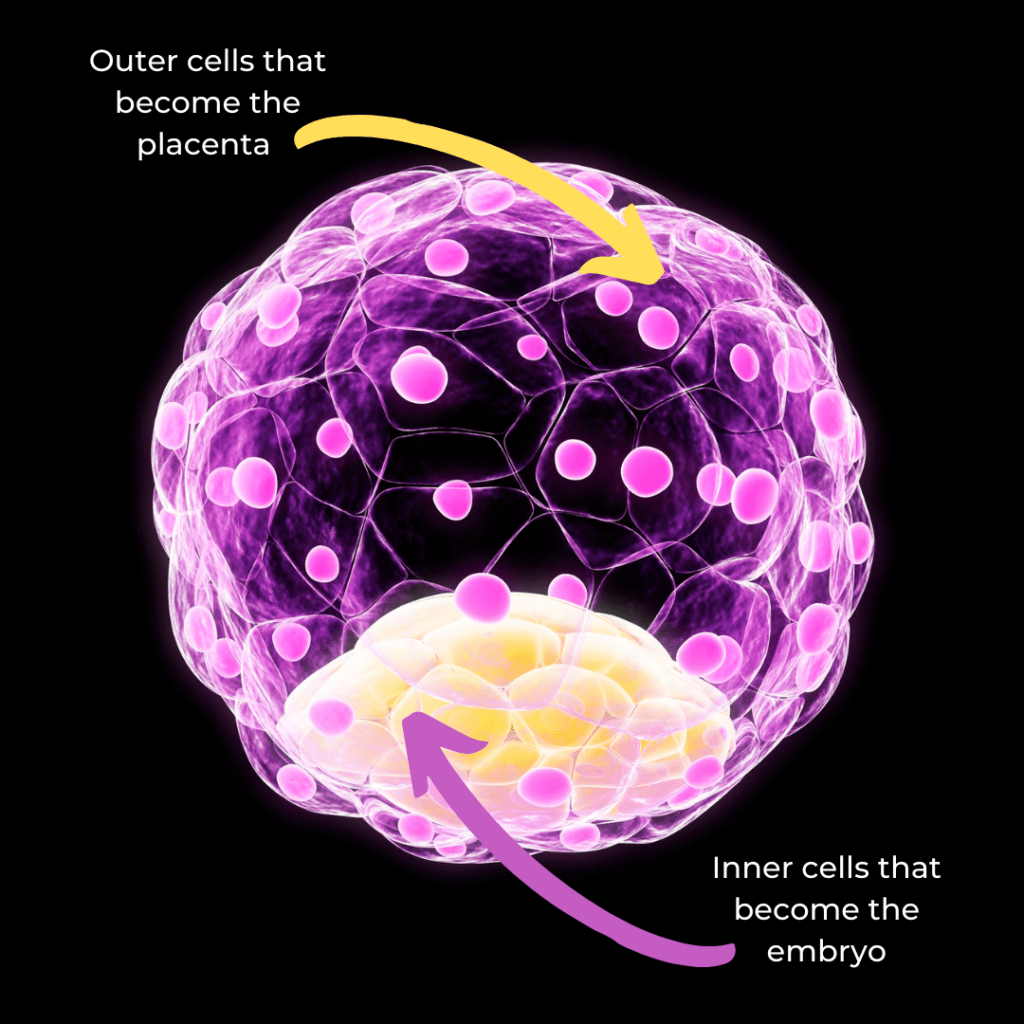
PGT-A requires embryos to reach the blastocyst stage (day 5), at which point they have two types of differentiated cells: those that will form the baby and those that will form the placenta. The embryologist uses a laser to create a tiny opening in the outer shell (zona pellucida) and extracts around 5–10 cells from the trophectoderm (placental cells). The embryos are then frozen while the extracted cells are sent to a specialist genetics lab, where the DNA is analysed for any chromosomal abnormalities (e.g. extra or missing chromosomes, which might indicate Down’s syndrome or other conditions).
Embryos are classified as euploid (normal, suitable for transfer) or aneuploid (abnormal, usually discarded). However, there is also a third classification: mosaic, where the embryo contains a mix of normal and abnormal cells.
The Pros of Testing
• Transferring a euploid embryo has a higher chance of implantation.
• There is a lower risk of miscarriage caused by chromosomal abnormalities (the most frequent, but not only, cause of miscarriage).
• It allows for a single embryo transfer, reducing the risk of twins or triplets while maintaining a high success rate.
• It is particularly beneficial for women at higher risk of chromosomal abnormalities, such as those over 40.
The Disadvantages
• Not 100% accurate – Some embryos labelled as abnormal might self-correct in the womb, meaning viable embryos could be discarded.
• Risk of embryo damage – The biopsy process can potentially harm the embryo, although newer techniques are reducing this risk.
• Expensive – PGT-A significantly increases the cost of treatment, often ranging from £3,000–£5,000 per cycle. However, in my clinic, I typically see costs around £1,500 for testing up to five embryos. If you only have one or two embryos, the cost remains the same.
• Controversial for some women – In those with good-quality embryos, PGT-A may not significantly improve success rates. Women under 35 generally have a lower risk of aneuploidy, but as with all things fertility-related, this is highly individual.
• Not always conclusive – PGT-A is often marketed as providing definitive answers, but mosaic embryos present a grey area. A mosaic embryo could still result in a healthy pregnancy, meaning the test may not provide any more certainty than you had before.
Who Really Benefits from PGT-A?
I advise my clients to think very carefully before opting for this additional test. PGT-A can be a fantastic tool for some, particularly those who have experienced recurrent miscarriage, have known genetic disorders, multiple failed IVF cycles, or a long and complex fertility journey.
However, I don’t believe it is always necessary for everyone over 35, as many clinics suggest. If you have only one or two blastocysts, it may be safer to transfer them and let nature decide. If you have five or six blastocysts, testing may help you prioritise which embryos to transfer first, potentially leading to a quicker successful pregnancy.
My advice: don’t feel pressured into this decision. Just because it’s on your treatment plan doesn’t mean you must do it. But in some cases, it can be absolutely the right choice. If you’re unsure, I’m always happy to discuss it further.