
Optimising Male Fertility: 5 Key Lifestyle and Nutritional Tips
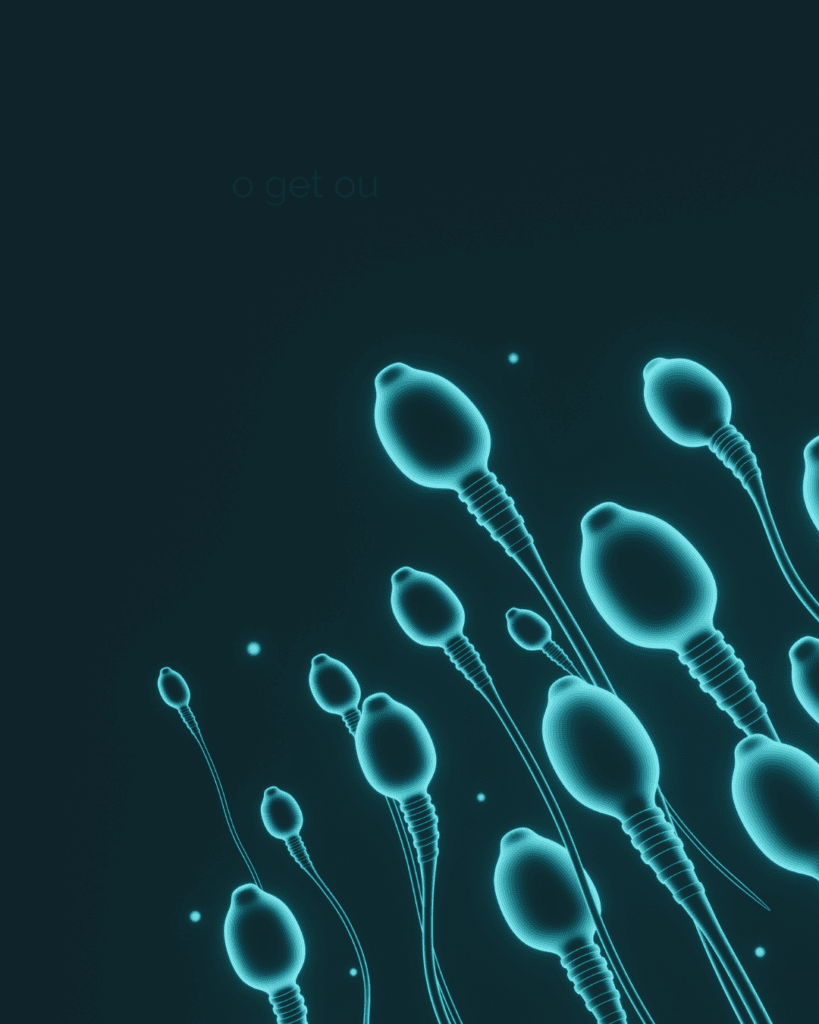
When trying to conceive, much of the focus is often placed on female fertility, but male fertility plays an equally crucial role. Sperm health is affected by a variety of lifestyle, dietary, and environmental factors, many of which can be optimised to improve overall reproductive health. Whether you’re planning to start a family soon, or just want to ensure your fertility is in the best possible shape, here are five key areas to focus on.
1. Things to Avoid Completely or Use in Moderation
• Caffeine
• Alcohol
• Recreational drugs
• Ultra-processed foods
2. Protecting the Testicles from Heat and Radiation
• Keep mobile phones away from trouser pockets.
• Avoid placing laptops and tablets directly on your lap.
• Tight trousers, especially cycling shorts, can raise testicular temperature.
• Avoid prolonged exposure to hot baths and saunas.
• After intense workouts, allow some airflow around the testicles to cool them down.
• Avoid getting cold around the midsection – wearing a vest may help!
3. In the Bedroom
• Aim for 7-8 hours of sleep each night.
• Maintain a balanced sex life – not too frequent, but also not too infrequent. Ejaculation should occur at least every three days to promote healthy sperm turnover, especially important for those with high DNA fragmentation.
• Overwork and stress can interfere with spermatogenesis, so managing stress levels is key.
4. Nutrition: What to Eat
• Eat plenty of green vegetables.
• Maintain regular meal times with a substantial breakfast and lunch; avoid heavy evening meals.
• Chew food well and eat in a calm, relaxed manner.
• Wash all vegetables thoroughly to remove pesticides and fungicides that may harm sperm.
• Drink at least 1.5 – 2 litres of water daily.
5. Key Supplements for Sperm Health
Semen contains trace amounts of nearly every nutrient in the human body which is quite mind blowing! While I am not a nutritionist, these key vitamins and minerals play a vital role in sperm formation and protection. Many male fertility supplements contain these nutrients, but doses can vary. Top up with these key nutritional foods.
• Vitamin C – A powerful antioxidant that prevents sperm from clumping.
o Sources: Kiwis, grapefruits, oranges, strawberries, red bell peppers, broccoli, Brussels sprouts.
• Vitamin E – An antioxidant linked to improved pregnancy rates after 3-6 months of supplementation.
o Sources: Olive oil, grapeseed oil, sunflower seeds, almonds, hazelnuts, pecans, dried apricots.
• Zinc – Essential for sperm count, motility, and DNA stability. The body does not store zinc well, so regular intake is necessary.
o Sources: Oysters, organ meats, beef, pork, chicken, eggs, soybeans, nuts, seeds, yogurt, chickpeas.
• Selenium – Supports sperm motility and protects against oxidative stress.
o Sources: Brazil nuts (2-3 daily provide a sufficient amount), organ meats, seafood, rice, sunflower seeds.
• CoQ10 & L-Carnitine – Provide sperm with the energy needed for motility by supporting mitochondria function.
o Sources: Meat, poultry, fish, small amounts in broccoli, cauliflower, oranges, strawberries.
o Note: Dietary sources alone may not provide enough to significantly impact sperm quality.
• L-Arginine – Thought to aid sperm head development, count, and motility, though studies vary.
o Sources: Meat, poultry, fish, dairy, eggs, grains, nuts, pumpkin seeds.
• NAC (N-Acetylcysteine) – A strong antioxidant, particularly useful for those with viscous semen.
o Sources: Pork, beef, poultry; supplementation recommended.
• Vitamin D – While research is inconclusive on direct benefits from supplementation, deficiency is associated with poorer semen quality and hormonal function.
o Sources: Primarily produced in the skin through sun exposure.
Many of these recommendations mirror those given to women trying to conceive, highlighting how crucial overall health is for both partners. Taking proactive steps to improve sperm health can significantly enhance fertility potential and overall well-being. Small changes in lifestyle and diet can make a big difference – and the sooner you start, the better. Remember, it takes 3 months for a sperm cell to develop into a viable sperm capable of fertilisation.